Daily Updates: Nov 4
Design Spotlight is a curated database of design cases, showcasing daily updates from various design studios and agencies. Here are the updates from Nov 4.
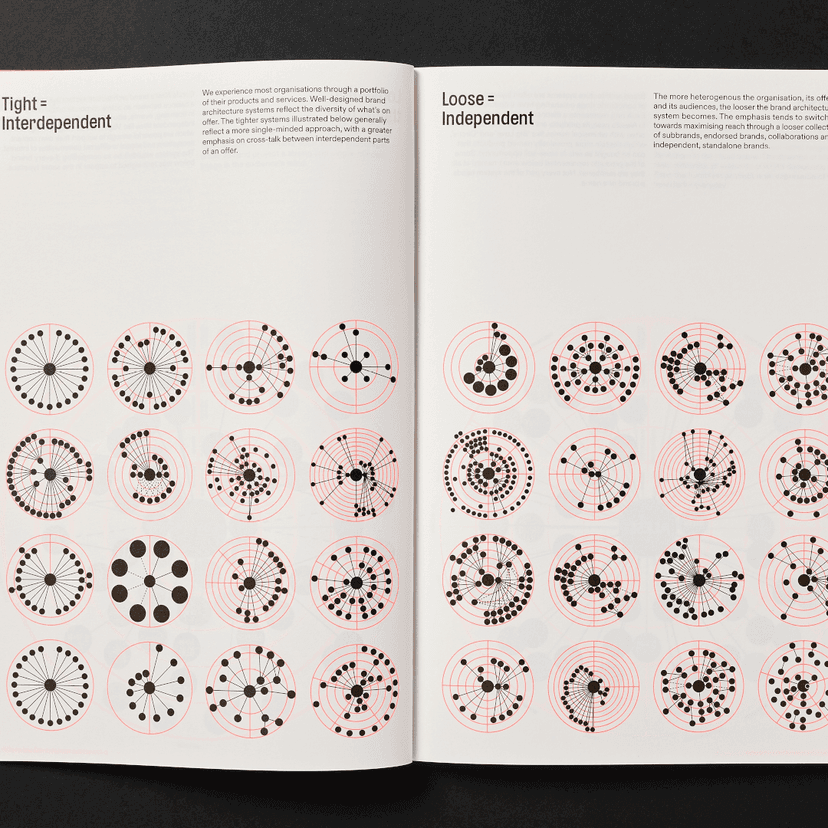
The Brand Architecture Book by NB
Book Design For A Brand Architecture Strategist
NB created the book design for The Brand Architecture Book by strategist Nick Liddell, translating a highly technical discipline into a clear, dynamic publication. The studio organized hundreds of diagrams, charts and tables—ranging from constellation-like brand maps to touchpoint matrices—into a navigable system. A striking fluoro orange and black palette aids wayfinding and turns complex data into an engaging, shelf-worthy object. To demonstrate the six hallmarks and practical frameworks, NB developed two conceptual coffee brands. From Coffee With Love uses low-tech letterpress, a minimal palette and hand-stamped heart symbols to express a simple, single-minded system. Pharmacology embraces a looser, otherworldly identity that sits between a branded house and a house of brands, acting as a discreet unifier while giving subbrands room to communicate specific benefits.

Mastercard Haptic by Futurebrand
Haptic Logo And Multisensory Interaction For Mastercard
FutureBrand partnered with Mastercard to extend the brand’s core DNA into touch, redefining how people sense transactions in a digital-first world. After mapping the customer journey, FutureBrand identified moments where haptics could enhance navigation, access, and immersion. The result is a haptic logo: a composed sequence of vibrations synchronized with Mastercard’s signature sonic melody, providing a tactile confirmation that a transaction is complete. This cue reinforces trust in visually minimal or touchless contexts and improves accessibility by enabling visually impaired users to perceive completion and brand presence through vibration. By embracing multisensory branding, FutureBrand delivered an inclusive, distinctive interaction that deepens emotional engagement and sets a new benchmark for financial services interfaces.
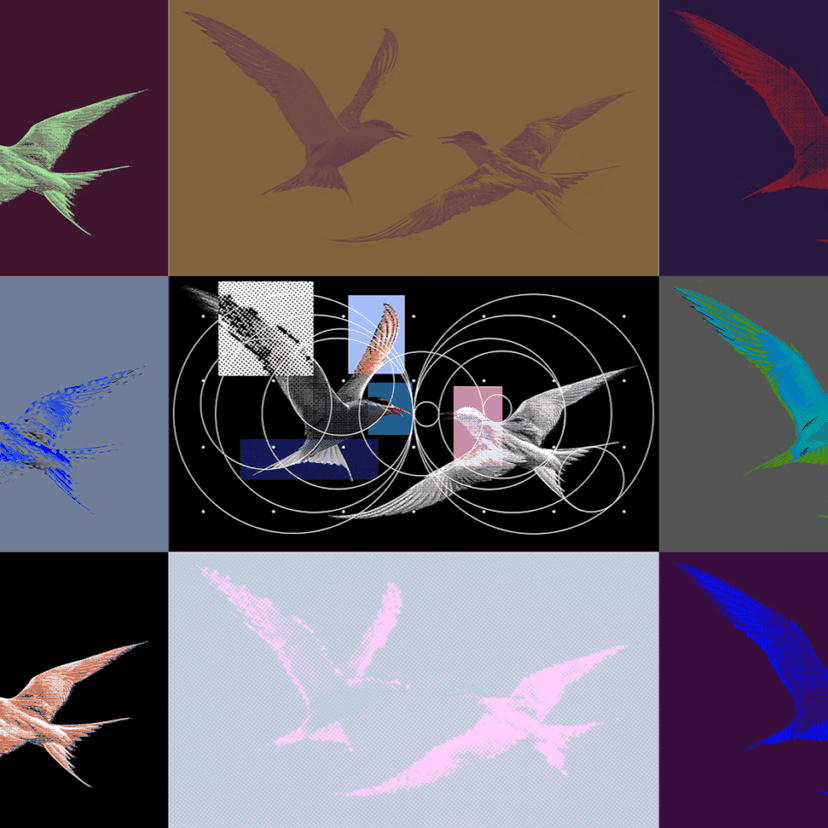
Launch Film For A Smartphone Company
BUCK partnered with Nothing to create a launch film introducing Playground, a space where AI meets creativity to reimagine how people design and personalize their phones. Guided by Nothing’s bold identity and a script from the client, BUCK balanced futurism with optimism, pairing sharp vectors with organic textures and vibrant gradients over minimalist grids. Footage of people and nature was interwoven with graphic layers to add warmth while keeping a technical edge. Each frame drew from Nothing’s visual DNA—grids, pixels, dots, typography, and signature transparency—forming a flexible system of design and motion assets. Extensive exploration through styleframes, art direction studies, and motion tests shaped the tone, rhythm, and visual language. The outcome was a cohesive launch film that communicated Nothing’s vision for human-centered AI tools and introduced Playground as a platform for creativity.
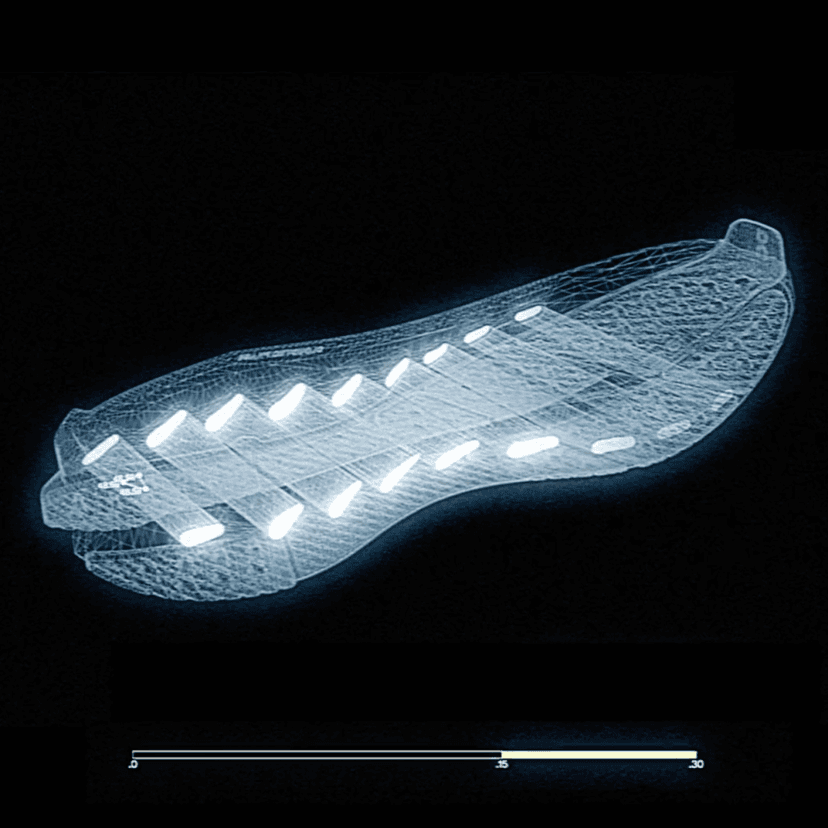
Speculative Digital Exploration For On Running
Tomorrow Bureau presents a speculative digital exploration for On Running, framed as an experiment in digital realities. The work is positioned as an imaginative study rather than a formal campaign, using forward-looking concepts to align the performance brand with emerging cultural and technological themes. With limited project details available, the case communicates direction and possibility, emphasizing concept development and future scenarios that could inform creative applications for sport and footwear. The project reflects Tomorrow Bureau’s focus on speculative thinking to inspire new creative pathways.
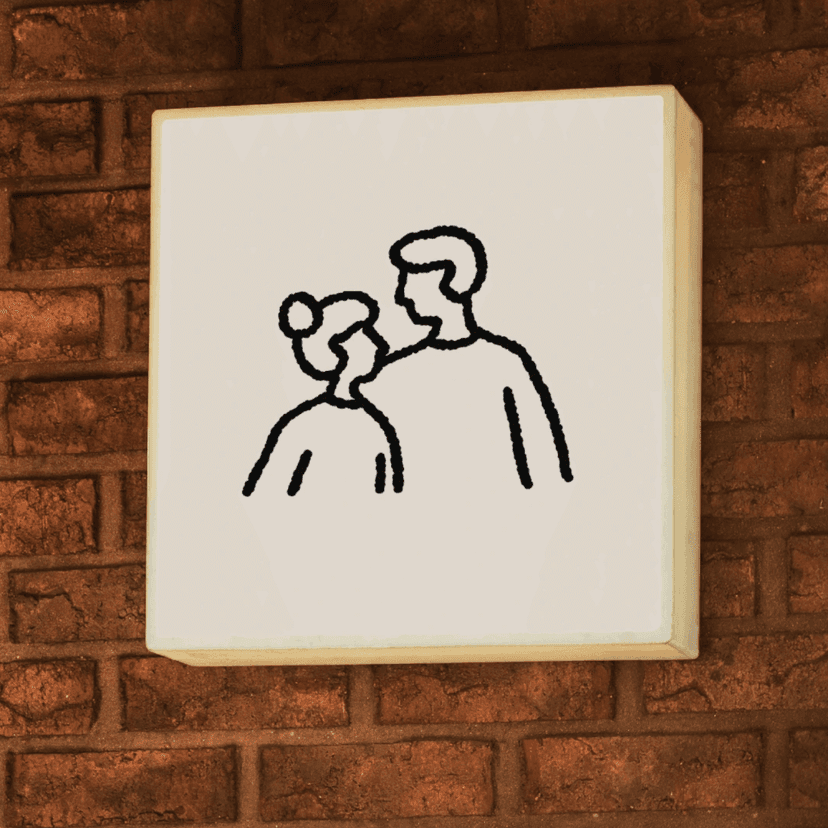
Lesamoureuses by Raphael Cardoso
Graphic Design For Les Amoureuses
Rafael Cardoso presents a project titled Les Amoureuses. Cardoso is a graphic designer based in Belo Horizonte, Brazil, with a background in brand identity and packaging design. The case page offers only the project title and author credit, without details on scope, deliverables, or industry context, so the precise nature of the work is not specified beyond Cardoso’s focus areas.
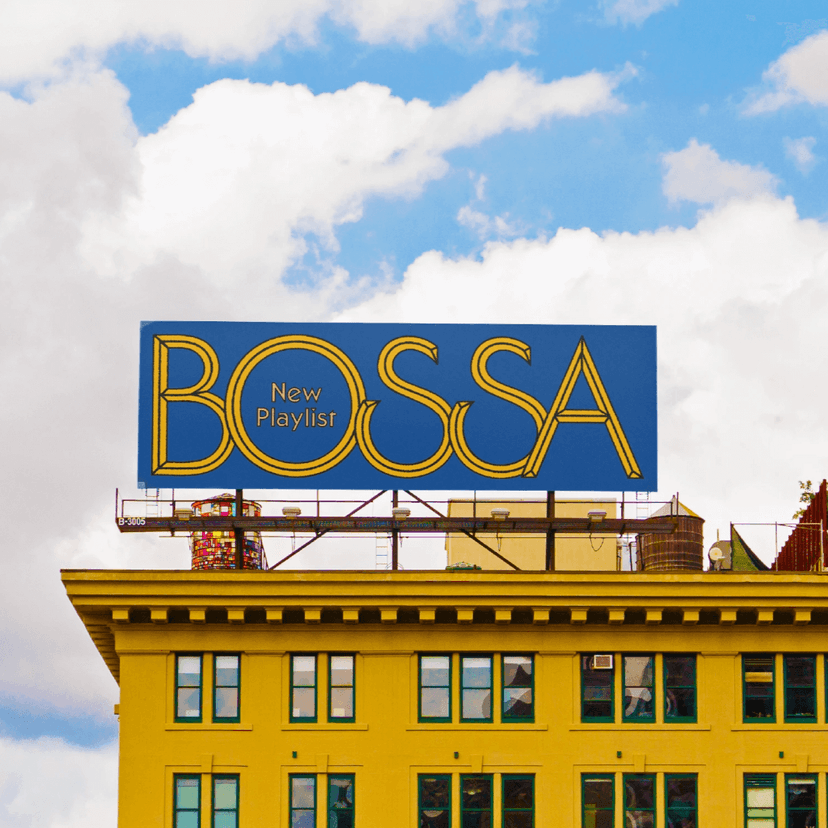
Design For Bossa
This case study page presents a project titled Bossa by Rafael Cardoso, a graphic designer based in Belo Horizonte, Brazil. The available content does not include details about the brief, scope, process, deliverables, or outcomes. Based on Cardoso’s stated background, the work may relate to brand identity or packaging, but specifics are not provided. As presented, the page functions as a portfolio entry indicating the project name and authorship. Additional information would be required to summarize objectives, approach, and results attributable to Rafael Cardoso’s contribution.
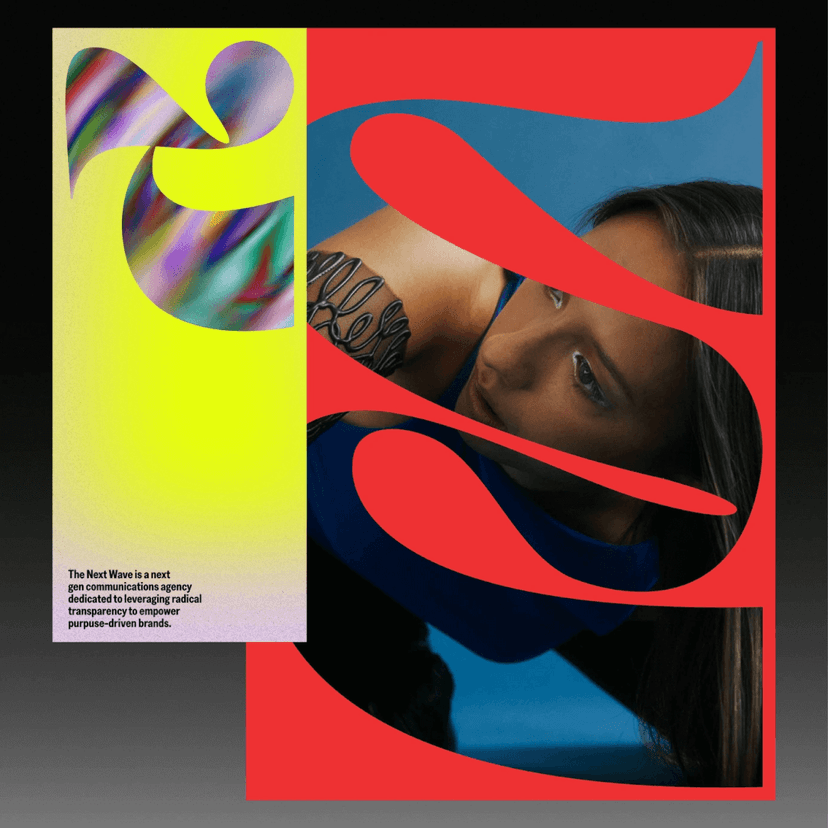
Thenextwave by Raphael Cardoso
Graphic Design Exploration For An Unspecified Client
The page titled “The Next Wave” presents a project by Rafael Cardoso, a graphic designer based in Belo Horizonte, Brazil, with a background in brand identity and packaging design. The cleaned content does not provide the client name, industry, scope, deliverables, or outcomes, so the exact nature of the work cannot be confirmed. Based on the available information, this appears to be a graphic design case associated with Cardoso’s expertise in packaging and identity, but no concrete details about objectives, process, or results are included.
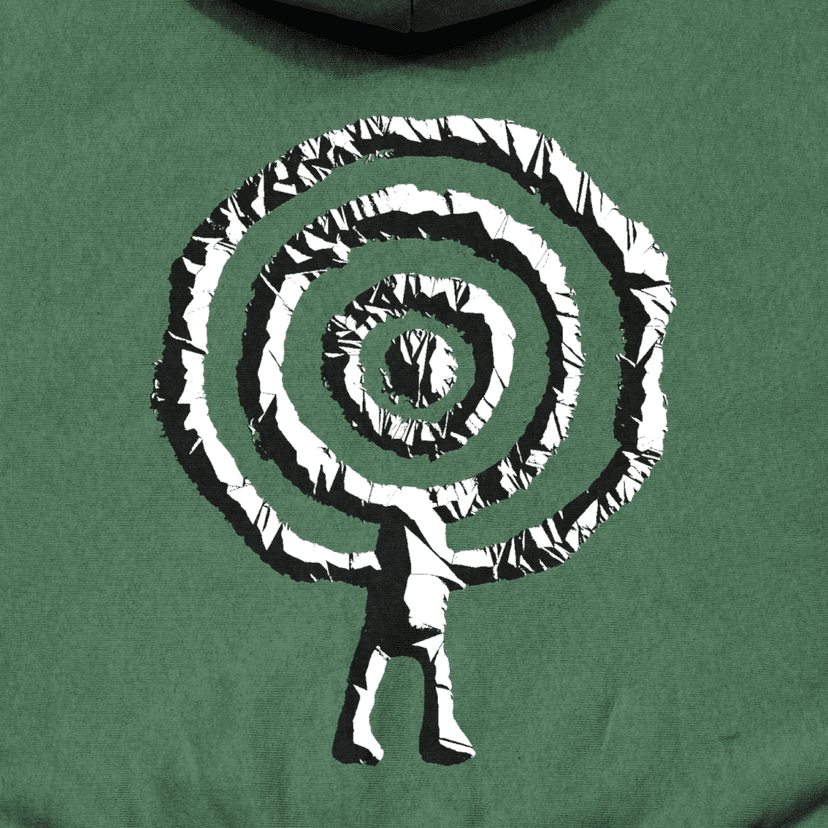
Futuracreatura by Raphael Cardoso
Project For Futura Creatura
Rafael Cardoso presents Futura Creatura, a project by the Belo Horizonte, Brazil–based graphic designer. The available content credits Cardoso and notes his background in brand identity and packaging design, but it does not provide specific details about the scope or deliverables for this project. The case page identifies authorship and situates the work within Cardoso’s expertise and location.
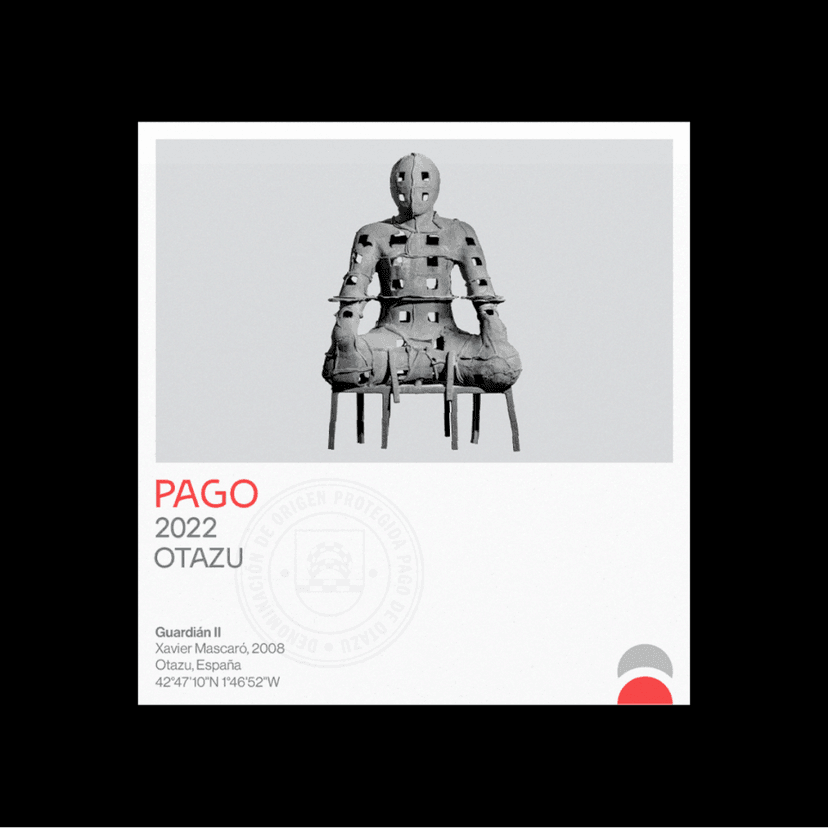
Brand Identity, Naming, Type Design, And Packaging For Otazu
Mucho created a bold, coherent brand for Otazu that embodies a genuine 50/50 fusion of contemporary art and winemaking. Grounded in research into wine and art visual codes, the system unites a redesigned crest, a new symbol inspired by the Barrel Room architecture and red gallery dots, a custom logotype, and the tagline Arte & Vino. Mucho developed a custom typeface with Tipografies, blending grotesque clarity with gestural character in Regular and Inline styles, and set a red, grey, white, and black palette. The studio collaborated with Salva López and Rocafort to build warm, expressive photography that mixes new and archival images. Packaging was redesigned for Pago de Otazu, Altar, and the annually rotating Artist Series, balancing white space, texture, and chiaroscuro while preserving key artworks. The result positions Otazu as a singular, craft-driven winery known for Cabernet Sauvignon and Merlot.